
How to Tell When a Mass Shooter Isn’t Muslim
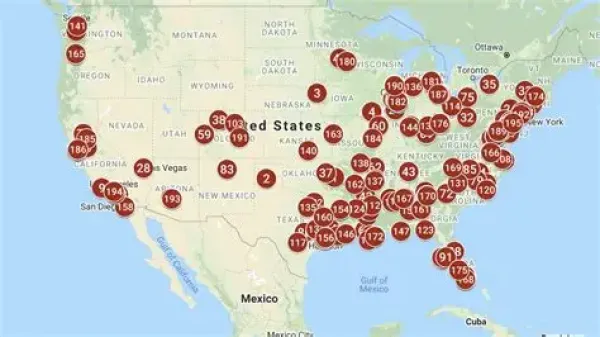
The Gun Violence Archive reported more than 340 mass shootings in the United States so far this year, resulting in 361 deaths and 1,553 injuries, as of October 1, 2026. Image credit: abc15.com
The shooter at Silver Rail Elementary School in Bend, Oregon, earlier this month was identified as 16-year-old Griffin J. John II. He allegedly attacked a classroom serving students with special needs at his former elementary school, killing three children, ages 5, 8, and 11, and a teacher.
News reports described a troubled family history, including allegations of domestic violence by his father and an incident in which his mother accidentally dropped him on his head shortly after birth.
Yet the questions so often raised when a mass shooter is Muslim are conspicuously absent.
No one asks about his religion or where he worships.
No one asks which charities he supports or where he vacations.
No one calls for his family to be deported.
No one demands to know whether he was radicalized at his place of worship.
No one insists that a priest or rabbi be interviewed for comment.
No one treats his religious community as collectively responsible for his actions.
No one asks whether he shouted, “Thank you, Jesus!”—the kind of religious expression that might be treated very differently from “Allahu Akbar” when a Muslim suspect is involved
When the shooter name is not Abdul or Mohammad
Meanwhile, the Gun Violence Archive reported more than 340 mass shootings in the United States so far this year, resulting in 361 deaths and 1,553 injuries, as of October 1, 2026,
The point is not to excuse a mass shooter or minimize the suffering of victims. It is to expose a double standard: Muslims are too often expected to answer for the actions of individuals, while others are treated as individuals rather than representatives of an entire faith.
When these questions disappear simply because the shooter is not Muslim, that tells us something about our own prejudices.
Mahmoud El-Yousseph is a Palestinian freelance writer and retired U.S. Air Force veteran. He writes about U.S. foreign policy, Middle Eastern affairs, and justice.